Her black onyx eyes were always rimmed red
from crying? steam in the kitchen? sewing in poor light?
I never knew, perhaps I didn’t know how to ask
I knew her heart was sad even as her face smiled
the lines carved into her skin like crosshatching
she’d lost her girlhood to a man who didn’t love her
she was the ticket into France, nothing more
growing up her mother said; I had your brother; you were a mistake.
she internalized the rejection like flint and it grew until it reached her eyes
men would tell her she had a stony gaze and she’d laugh without moving her
lips
(if only you knew, but I have no wish to explain
myself or the machinations of this paining world).
Her almond shaped eyes were always rimmed red
otherwise beautiful, she wore the prescribed long sleeves
in a country 90 percent Muslim, her childhood the back courtyard
where she’d play until they said she was too old and had to cover herself
since then, she’d been behind fabric or screens, wearing a mask even if
the way she deals with erasure, with the etymology of hate is
a sound; feuj, a corruption of juif,
a mark like a hand around your throat
the strangled dove found at her doorstep; its neck wrung
the myths of girlhood as she grew, shared like russet prayer beads
lost necklaces in fine sand, turning white with sun
her fossilized freedoms are buried totems to some ill remembered
time where she was whole, independent, able to still defy.
Her grandmother eyes were always rimmed red
the Jewish question, a dying race, what’s in a race?
but the winner, all losers lost to time, victors write history
lies are ubiquitous, slogans, fallacies, we lend neighbors
a book and it is returned, torn, no longer whole.
the last time I saw her, she had grown old suddenly
the fat of her cheeks sunken, bruises on her arms from touching
a world too hard, she offered me basbousa, kunafa, om ali
merci jaddah, je t’aime jaddah. mon premier mot a été livre.
even as we ate, hands sticky with honey and unsaid words
I saw her eyes flicker to the metal gate and beyond, where our
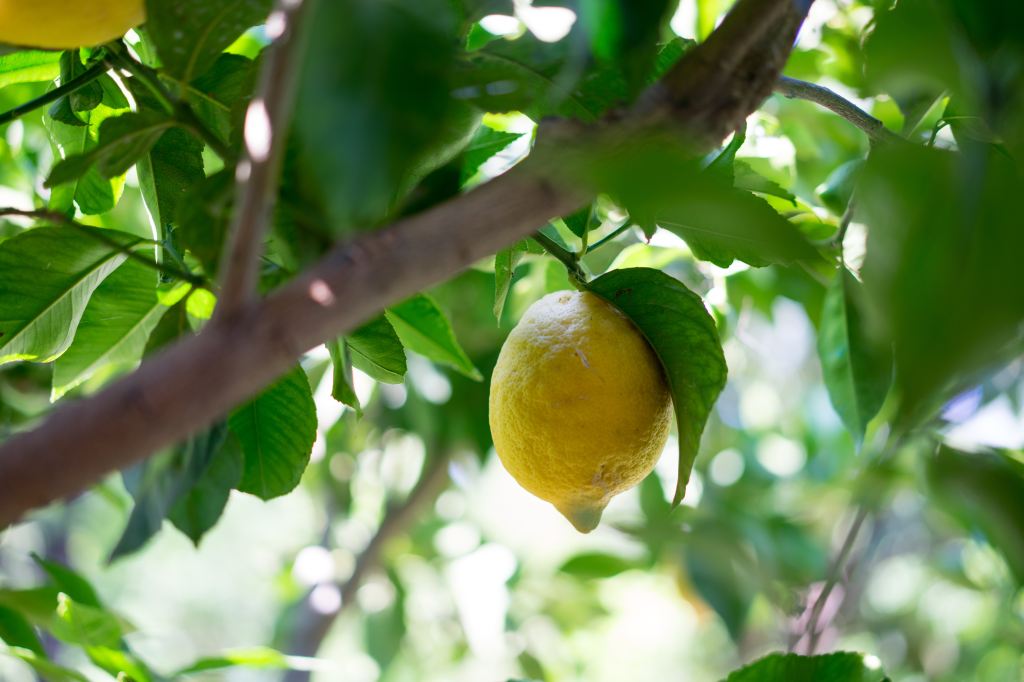
family’s lemon trees bowed their yellow head against the glare
I wonder what it would have been like to be born a man?
my grandmother, diminutive, curly hair frizzing in desert heat
as white as the midday sun in Cairo
said with her tongue slow in her mouth, neither of us knew
or maybe she did, the last time we sat cross-legged
beneath the date palm and smelt mint tea in quiet contemplation
of children forced to be grown before noon.
Photo by Raimond Klavins on Unsplash
Born in Europe, Candice Louisa Daquin is of Sephardi French/ Egyptian descent. Daquin was the Publishing Director at the U.S. Embassy (London) before becoming a Psychotherapist. Daquin is Senior Editor at Indie Blu(e) Publishing, a feminist micro-press and Editorial Partner with Raw Earth Ink. She’s also Writer-in-Residence for Borderless Journal, Editor of Poetry & Art for The Pine Cone Review and Poetry Editor for Parcham Literary Magazine. Daquin’s own poetic work takes its form from the confessional women poets of the 20th century as well as queer authors writing from the 1950’s onward. Her career(s) teaching critical thinking and practicing as a psychotherapist have heavily influenced her writing. As a queer woman of mixed ethnicity and passionate feminist beliefs concerning equality, Daquin’s poetry is her body of evidence.
Read more at The Feathered Sleep.
 Indie Blu(e) Publishing